Warm Spring — Warm / True Spring: what this color type looks like and which colors best enhance the appearance
The Warm Spring color type often gives the impression of a lively, sunny, open, and naturally radiant appearance. It lacks icy sharpness, dramatic depth, or muted dustiness. On the contrary, this appearance usually suits colors that have warmth, freshness, clarity, and soft energy. If you've noticed that in warm, light, and clean shades your face looks more refreshed, your eyes brighter, and your skin more even and fresh, this article may be especially useful for you.
The material is suitable for those who want to understand their color type without complex terminology and learn to use the palette in practice: in clothing, makeup, hair coloring, accessories, and everyday looks. It's important to remember: Warm Spring occurs in people with different skin tones, eye colors, and hair colors. This is not a story about nationality, race, or one "type of appearance." Much more important is the overall impression - warmth, clarity, moderate brightness, and lightness.
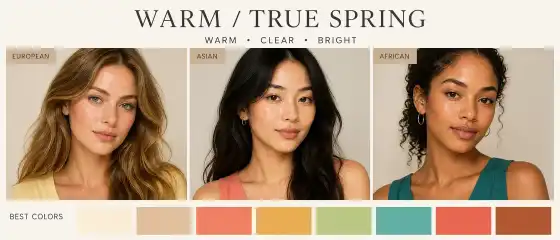
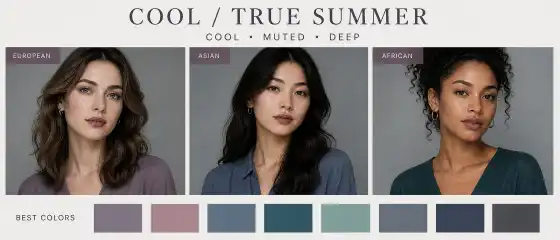
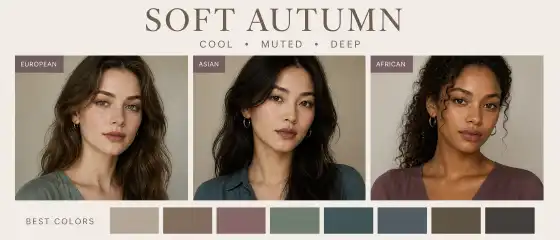
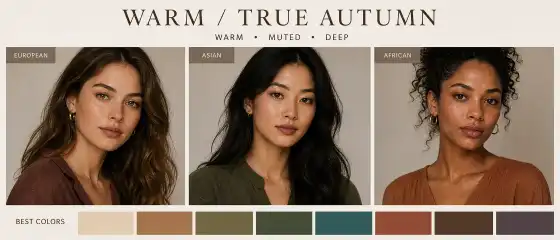
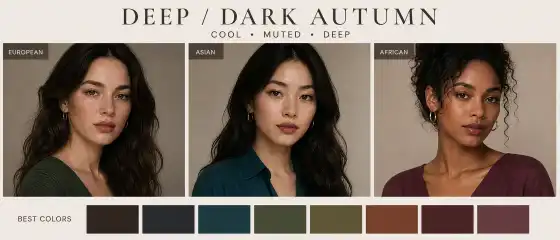
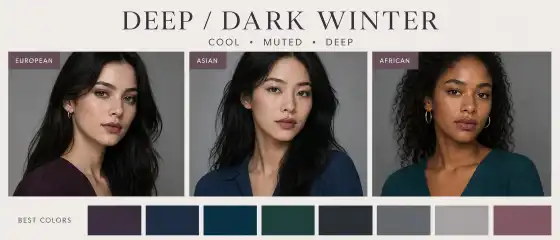
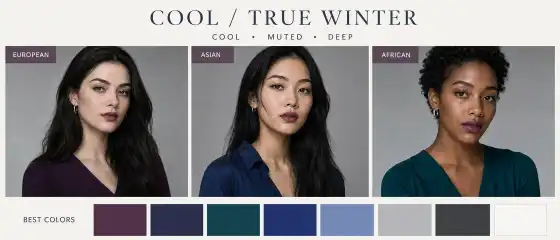
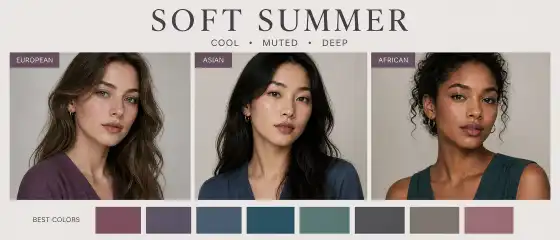
Visual guide to the palette and style

Brief portrait of the color type
To describe Warm Spring briefly, it is a color type with a pronounced warm direction and a lively, clean palette. It looks naturally bright, but not sharp; soft, but not dull; light, but not pale.
Temperature
The main characteristic of this color type is a warm temperature. Golden, peach, honey, apricot, or warm beige nuances are usually well-read in the appearance. Even if the skin seems light, medium, or deeper, the overall impression is often warmth rather than a cold pinkish or grayish neutrality.
Contrast
Contrast is most often medium or moderately low. This means that the features of the appearance do not look extremely sharp. There are usually differences between the skin, hair, and eyes, but without strong drama. That's why overly contrasting combinations, like pure black with dazzling white, often draw attention to themselves.
Depth
The depth of appearance is light or medium. Warm Spring usually does not look very dark or heavy. Even if a person's hair is blonde, chestnut, or darker, the overall impression still remains lighter, more transparent, and warmer than deep autumn or winter palettes.
Saturation
Saturation is medium or above average, but without neon sharpness. Warm Spring suits clean, juicy, clear shades. Too dusty, grayish, and "diluted" colors often make the face look tired. At the same time, overly acidic shades can also clash with the natural softness of this color type.
Overall impression
If you put it all together, Warm Spring is about warmth, freshness, clarity, and friendly brightness. Such an appearance often "comes to life" next to the colors of ripe fruits, warm greens, sunny shades, caramel, coral, and soft turquoise. The visual effect is as if light and warmth were added to the face, but without heaviness and without unnecessary drama.
How to understand if this is your color type
It's more convenient to determine the color type not by one feature, but by a combination. Just the color of the eyes or hair almost never gives a complete picture. Much more important is how the appearance reacts to different temperatures, how well it suits clear or muted shades, and what level of contrast looks natural.
Eyes can be blue, green, gray-green, warm brown, amber, hazel, tea, light brown. They often show warm sparks, golden flecks, or a sense of transparency and liveliness. But this is not a universal rule: the palette manifests differently in different people.
Simple self-check method
Try alternately bringing fabrics or items in these shades to your face: warm coral and cold fuchsia, creamy and snow white, warm turquoise and icy blue, honey and cold gray-beige. If in warm, clear shades your skin seems more even, your gaze more open, and shadows and redness become less noticeable, there is a high probability that Warm Spring is close to you.
Best colors for Warm Spring
The main principle of the palette is warmth + clarity + lightness. These are colors that have sun, air, and natural juiciness. They are not too dark, not icy, and not dusty. Below is a palette that is often convenient to start with.
Base colors
For an everyday wardrobe, soft, warm, and light base shades are especially good. They easily combine with each other and do not overload the appearance.
creamy
creamy
vanilla
warm beige
sandy
light camel
caramel
honey beige
warm light olive
These colors are especially good for jackets, pants, shirts, knitwear, basic dresses, and outer layers of clothing.
Light shades
The light palette of Warm Spring does not look cold or bleached. It's more like the feeling of light passing through honey, petals, and fresh greenery.
Dark shades
Even dark colors in this palette are better chosen not too heavy. The idea is not deep drama, but warm richness.
These shades can work great in shoes, bags, belts, outerwear, as well as in items that are not too close to the face.
Accent colors
It is in accents that Warm Spring looks especially impressive. Suitable bright colors make the appearance lively, fresh, and expressive without feeling overloaded.
Neutral colors
If you want versatility, pay attention to neutrals that do not lean towards cold gray.
The palette is best revealed in combinations like cream + coral, sand + warm turquoise, caramel + apple green, ivory + tomato, olive + apricot.
Colors to be cautious with
Warm Spring doesn't have a list of 'forbidden' colors, but there are shades that often turn out to be less successful—especially near the face. Usually, the challenge comes from colors that contradict the key qualities of the palette: they are too cold, too dark, too gray, or too harsh.
What can clash with the appearance
pure black — often looks too heavy and draws attention away from the face to the clothing;
snow white — may seem too harsh compared to softer and warmer cream;
cold fuchsia and berry-blue pinks — sometimes highlight redness or make the skin tone look more tired;
icy blues and silvery pastels — can 'cool' the appearance and strip it of natural warmth;
gray-dusty, smoky, taupe-lilac shades — often mute the liveliness of the face;
very dark wine, plum, charcoal blues — sometimes add heaviness and an age-related severity;
neon acidic colors — can overpower the natural clarity of the appearance.
If you like any of these shades, there's no reason to give them up. They can be used in skirts, pants, shoes, bags, prints, manicures, or details located further from the face. Another effective technique is to soften a complex color with a suitable scarf, jewelry, or makeup in a warm palette.
Clothing and Style
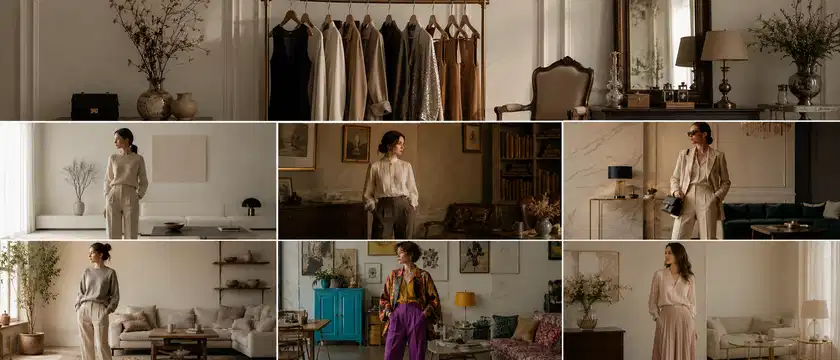
Warm spring is especially well-expressed in styles where there is a sense of light, movement, and naturalness. Too rigid, gloomy, and architecturally strict looks may appear somewhat detached from the appearance, while soft structures, clean lines, warm materials, and a lively palette usually work excellently.
Suitable Stylistic Directions
Casual — one of the most successful options: light denim, warm knitwear, ivory shirts, coral or melon t-shirts, sneakers in creamy shades.
Smart casual — a warm blazer in sand or caramel color, a blouse in ivory shade, pants in moss or light cinnamon color.
Natural — linen, cotton, soft wool, leather in warm tones, natural green and sand shades, botanical prints.
Romantic — peach, apricot, cream, warm pink tones, flowing fabrics, small floral motifs, soft drapery.
Sporty chic — light warm hoodies, polos in aqua shades, bombers in honey or apple green color, comfortable and fresh combinations.
Urban — if you want modernity, it's better to choose warm neutrals with a bright accent instead of a graphic black base: for example, a caramel trench and a bag in warm turquoise.
Elegant — instead of icy luxury, soft warm elegance looks better: ivory, champagne, light cognac, coral, olive, warm petrol.
Examples of Successful Looks
Cream shirt, sand pants, cognac-colored belt, and yellow metal earrings.
Dress in a warm coral shade, caramel-colored sandals, and an ivory bag.
Light denim, mango-colored top, oatmeal-colored jacket, and scarf in warm turquoise.
Moss-colored skirt, apricot shade blouse, and shoes in warm beige color.
Knitwear set in honey-beige tones with a tomato-red accent.
If you like minimalism, it can also work wonderfully — it's just better to build it not on cold gray and black, but on creamy, linen, camel, caramel, soft olive, and warm turquoise.
Makeup
For Warm Spring, makeup usually works best when it supports the natural sense of freshness. The face doesn't need to be "reshaped" with contrast — it often needs warmth, clarity, and a light glow. The main goal of makeup is not to weigh down the appearance but to highlight its natural brightness.
Tone
Suitable foundation products usually have a warm or neutral-warm undertone: beige, golden-beige, peach-beige, honey. Too pink, grayish, or overtly cold bases can make the face look less fresh. The finish usually looks better natural, satin, or slightly glowing, rather than dense and matte.
Blush
Blush in the following shades is particularly successful:
peach
apricot
warm coral
salmon
watermelon-peach
Too cold pinks, lilac-pinks, and gray-pinks often look less harmonious. They are not always bad, but they can clash with the overall warm direction of the appearance.
Lips
On the lips, the following shades reveal beautifully:
Gray-beige nudes, cold pink-lilac, and very dark wine shades are often less successful because they can "dull" the liveliness of the face.
Eyes
For eye makeup, warm and clear shades are well-suited:
Instead of a dense coal-black liner, brown, bronze, olive, or warm petrol often look softer. Mascara can be either black-brown or classic black, as long as the overall makeup remains light and not too graphic.
Which effects are best avoided
too dense matte coverage without liveliness;
icy highlighter with a bluish sheen;
sharp black contour around the entire eye in daytime looks;
ashy-gray smoky eyes that can weigh down the face;
nudes with a pronounced gray-lilac undertone.
Hair color
Coloring for Warm Spring usually looks most harmonious when it maintains or emphasizes the natural warmth of the appearance. This does not mean that everyone needs the same shade. More importantly, the hair color should support clarity and warmth, rather than making the face visually grayer, heavier, or harsher.
Which directions are most often successful
honey and golden shades;
warm light brown without strong ashiness;
caramel and nut nuances;
light and medium chestnut with golden or copper warmth;
soft warm highlights creating the effect of sunlight in the hair;
naturally looking techniques with smooth transitions into caramel, honey, amber, warm beige.
Even if your natural color is quite dark, it often benefits not from going into cold graphite, but from adding warm depth: cinnamon, chestnut, nut, warm chocolate, amber highlights.
What can clash with the appearance
ashy blonde with a pronounced cold haze;
blue-black;
very cold dark chestnut without warmth;
silvery, platinum, and icy shades;
too contrasting coloring with a harsh boundary between dark and light.
Such solutions are not always "bad," but they may look less organic: the skin may appear duller, and the features harsher. If you want to try cold or more dramatic coloring, a compromise often helps: keep warm highlights near the face or choose a softer transition between shades.
Jewelry and accessories
Accessories for Warm Spring work best when they continue its palette rather than clash with it. Warm metals, natural textures, and colors that include sun, sand, greenery, coral, or sea water look especially beautiful here.
Metals
Silver can also be worn, especially if it is matte, light, and not too cold in feel, but most often warm metals look more natural.
Glasses, bags, scarves
For frames, honey, amber, caramel, olive, warm tortoise, golden-beige, soft petrol are successful. Pure black heavy frames sometimes look harsher than desired, so it's worth trying warmer alternatives.
Bags look great in shades of cognac, caramel, warm beige, olive, coral, warm turquoise. Scarves are especially useful as a tool to "highlight" the face: apricot, apple green, aqua, cream, coral, melon often noticeably refresh the appearance.
Prints and textures
Prints with a lively but not too harsh character work well: watercolor flowers, tropical motifs in a warm range, ivory and coral stripes, natural geometry, plant patterns, warm polka dots, soft checks.
Among textures, linen, cotton, soft leather, suede, silk with a delicate sheen, medium-density knit are especially successful. Too cold metallic shine and very harsh glossy surfaces sometimes distract from the natural soft energy of this palette.
Mini capsule wardrobe for Warm Spring
If you want to quickly assemble a working base, you can start with a small capsule where items easily combine with each other. Here's an example of 9 elements:
Cream shirt or blouse.
T-shirt in a warm coral shade.
Thin jumper in oatmeal or light caramel color.
Sand straight pants.
Skirt or pants in moss or warm olive color.
Light denim without cold blueness.
Jacket in camel beige shade.
Dress in apricot, melon, or soft tomato coral color.
A bag and shoes in cognac or caramel shades.
Such a capsule can be easily expanded: add a scarf in warm turquoise, earrings in yellow metal, a honey-colored belt, a cardigan in apple green, or a mango top. The main thing is to maintain an overall feeling of warmth and freshness.
Common Mistakes
Even if the palette is generally understood, in practice many still encounter the same mistakes. Here are the errors that are especially common for Warm Spring.
Too much black near the face. Black can be worn, but in large volumes near the face, it often makes the look heavier than desired.
Choosing cool grays instead of warm neutrals. This can make the appearance look more tired and less expressive.
Leaning towards dusty muted shades. If the colors are too "smoky," the natural clarity of the face is often lost.
Using icy white instead of cream. The difference seems small, but near the face, it is often very noticeable.
Too contrasting makeup. Graphic brows, dense black liner, and cool smoky eyes can weigh down the soft freshness of the appearance.
Ash hair coloring without warmth. It often clashes with the skin tone and makes the whole look less lively.
Focusing only on the trendiness of the color, not its temperature. Even a very trendy shade can work less effectively if it's too cool or too dark for your palette.
Brief Conclusion
Warm Spring is a color type that particularly suits sunny, clear, lively, and warm shades. Such a palette helps to emphasize the freshness of the face, the soft brightness of the eyes, and the overall feeling of lightness. But it's important to remember: a color type is not a strict set of rules or a restriction on favorite things. It's a convenient tool that helps you quickly find harmonious colors, build a more cohesive wardrobe, and understand why some shades seem to illuminate you while others remain just "normal."
If Warm Spring resonates with you, start small: replace snow-white with cream, try coral instead of cool pink, add caramel accessories or warm turquoise near the face. Sometimes even small changes can yield very noticeable results.
FAQ: Common Questions About the Warm Spring Color Type
1) Can this color type be found in people with dark skin?
Yes, it can. A color type is determined not by how light or dark the skin is, but by the combination of temperature, clarity, saturation, and the overall impression of appearance. Warm Spring can also be found in people with dark skin: in this case, warm, fresh, golden, coral, green, and turquoise shades can be especially revealing.
2) Can black be worn?
Yes, it can. It's just that for Warm Spring, pure black is often not the most advantageous color near the face because it can look too heavy. If you like black, try using it in shoes, bags, pants, prints, or combine it with warmer and lighter shades near the face — for example, with cream, coral, or caramel.
3) What if I like a color that is not in the palette?
Wear it with pleasure, but a bit more consciously. A complex shade can be moved further from the face, paired with a suitable scarf, jewelry, warm makeup, or chosen in a more favorable texture. A color type is not a prohibition but a suggestion on how to make your favorite colors more harmonious for you.
4) How do I know if my undertone is warm or cool?
The most reliable way is to look not at one sign, but at the reaction of the face to different shades. If the skin appears more even, the eyes brighter, and the face fresher next to warm colors, then warm tones are likely closer to you. If pink-cool, icy, or silvery shades work better, the undertone is likely closer to cool. It's convenient to check this with draping in daylight.
5) Can the color type be changed with hair coloring or tanning?
Completely changing the color type is usually not possible because it is linked to the natural characteristics of appearance: temperature, depth, contrast, and saturation. Hair coloring or tanning can slightly shift the overall impression, but the basic harmony often remains the same. Therefore, even after changes in appearance, your best colors are usually recognized quite easily.