Find out if the Deep Autumn color type suits you and how to choose clothing, makeup, and accessories for a harmonious and vibrant look.
Deep Autumn: How to Identify Your Color Type and Create a Strong, Expressive Look
If you often suit rich, warm, and slightly "luxurious" shades, and your face seems to lose volume in overly light or cool colors, you might be closer to the Deep Autumn color type. This article will help you understand if Deep Autumn suits you, which colors make your appearance more cohesive and vibrant, and how to choose clothes, makeup, hair, and accessories without unnecessary mistakes.
The Deep Autumn color type is useful to analyze not only for those who love a warm palette. It helps to see why some colors emphasize the depth of the eyes, the density of the hair, and the soft glow of the skin, while others can make the look flat or tired. At the same time, Deep Autumn is found in people with different skin, hair, and eye tones — from very light to deep, from green and brown eyes to gray and hazel.
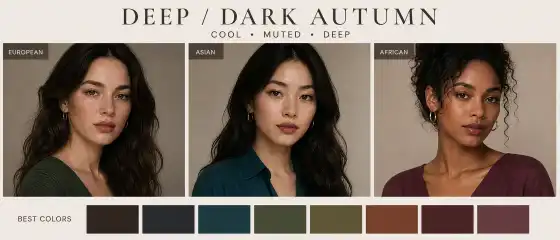
Brief Portrait of the Color Type
Temperature: warm, sometimes with a neutral-warm feel.
Contrast: medium or medium-high.
Depth: pronounced, noticeable.
Saturation: medium or high, but without "acidity."
Overall Impression: warm depth, density, maturity, nobility, soft drama.
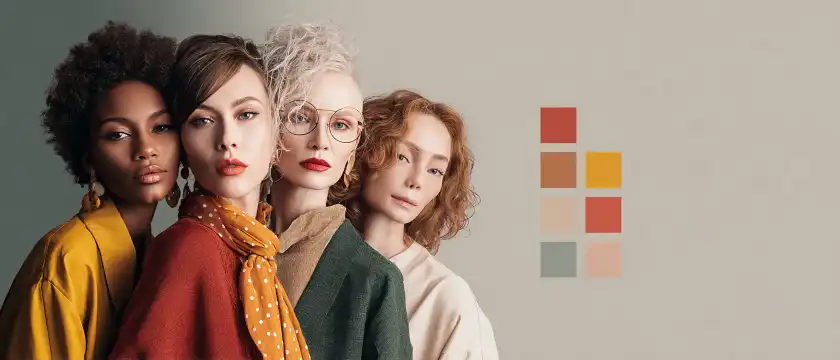
Deep Autumn looks especially harmonious in colors reminiscent of autumn earth, wood, spices, warm leather, dense foliage, dark chocolate, amber, bronze, and spices. This is a color type where beauty is revealed not in airy lightness, but in density and depth.
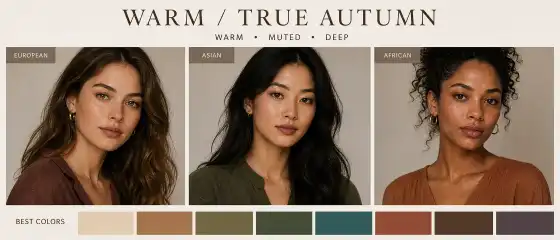
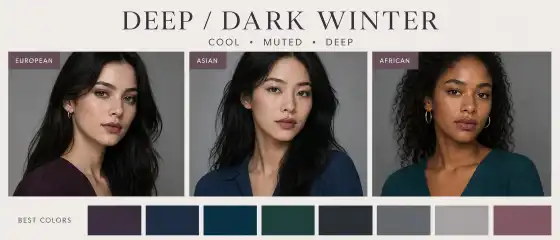
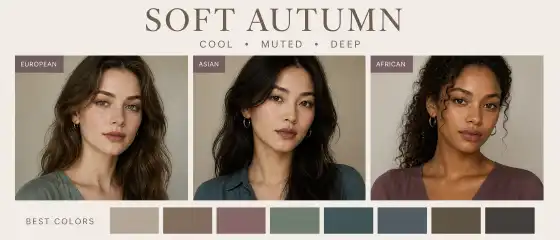
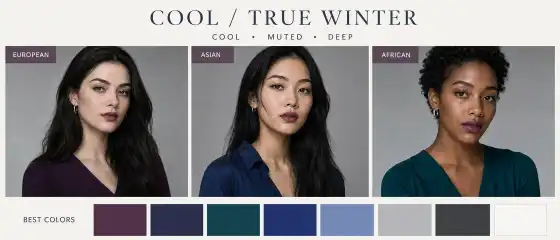
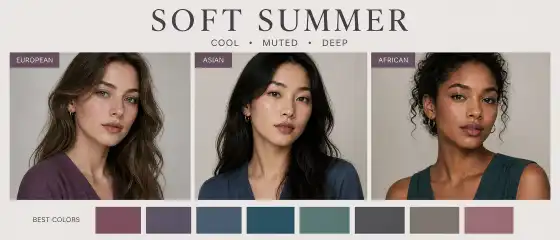
Visual Guide to Palette and Style

How to Understand if This is Your Color Type
It's better to recognize yourself not by one feature, but by a combination of several. Deep Autumn can be found in a person with dark hair, chestnut, reddish-brown, or even softly light hair — the important thing is not the color itself, but its warm, rich depth. The same applies to the skin: the color type is found in both light skin with a warm undertone, olive, tan, and very deep skin.
Pay attention to these signs:
warm, rich shades suit you more than purely cool ones;
your face looks more lively in deep colors than in pastels;
too light, washed-out, or "dusty" shades can make your appearance less expressive;
bright but not neon colors often clash with your natural depth;
items with a warm, rich palette make the look cohesive and expensive-looking;
the contrast between hair, eyes, and skin is noticeable but should not be sharp and icy;
gold, bronze, dark green, brick, and chocolate shades usually look very natural.
A good test: hold a few fabrics or items to your face — warm chocolate, olive, terracotta, dark green, warm teal, and then compare them with cool pink, pure gray, and icy blue. If in the warm deep palette your face appears smoother, eyes brighter, and skin calmer — it's a strong sign in favor of Deep Autumn.
Best Colors
The Deep Autumn palette is built around warm, rich, deep, and slightly muted shades. These are not delicate pastel colors and not sharp contrasts, but colors that seem to have weight, density, and character.
Base Colors
Light Shades
Light colors in this palette should not be "airy" and washed out. Warm, soft, but not too pale options work better:
Dark Shades
Accent Colors
Neutral colors
In short: your best color is one that looks deep, warm, dense, and lively, not too light or sterile.
Colors to be cautious with
For Deep Autumn, shades lacking warmth or depth can be more challenging. This doesn't mean they should be completely avoided, but near the face, they often appear less flattering.
Icy pastels — can make features less expressive and create a "detached from the face" feeling.
Pure white — sometimes looks too harsh and cold, especially near the face.
Cold gray — can add tiredness or make the look flat.
Neon colors — often clash with natural depth and richness.
Blue-pink cool tones — sometimes highlight the wrong skin undertone.
Very light lilac or blue — can visually "blur" the face.
Ashy and overly bleached shades — sometimes appear detached from the warmth of the appearance.
If you like a color but find it challenging, try using it further from the face: in a skirt, pants, bag, shoes, or print. This way, the look retains the favorite shade without unnecessary conflict with the appearance.
Clothing and style
Deep Autumn pairs well with looks that have structure, depth, and a sense of solidity. Styles where color and texture work together usually suit you.
Which directions are particularly successful
Smart casual: warm jacket, dark jeans, ivory shirt, loafers or boots.
Elegant: dense fabrics, noble drapes, deep shades of wine, chocolate, and emerald.
Natural: linen, dense cotton, suede, soft leather, warm earthy colors.
Urban: dark denim, khaki, olive, chocolate knitwear, comfortable silhouettes.
Casual: warm t-shirts, cardigans, camel-colored jackets, dark indigo jeans.
Sporty chic: if you stick to warm deep shades, the look appears dynamic and modern.
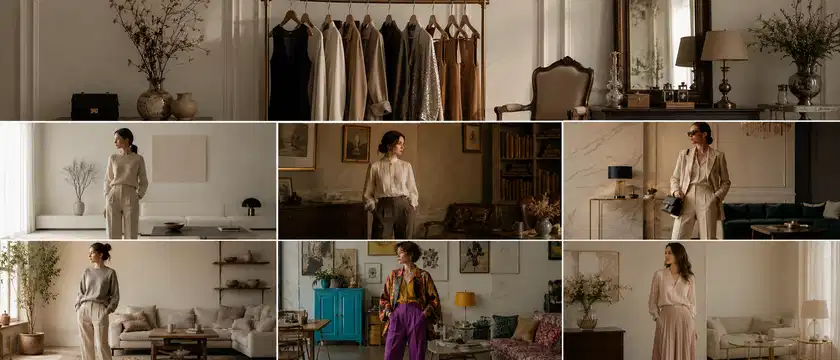
Examples of looks
dark chocolate pants, cream shirt, warm olive jacket, bronze accessories;
terracotta dress, coffee-toned boots, soft brown leather bag;
dark green knitwear, indigo jeans, ochre-colored scarf;
burgundy-brown suit, light beige top, golden earrings;
khaki coat, warm cocoa sweater, boots in warm dark brown shade.
Deep Autumn usually benefits from textures that look "rich" and tangible: suede, dense knitwear, tweed with warm threads, smooth leather, soft velvet, wool, matte satin. Too thin, icy, or overly shiny materials sometimes take away from the depth of the appearance.
Makeup
Makeup for Deep Autumn best supports natural warmth, depth, and richness. Shades that look slightly softer than pure bright colors work well here, but they don't get lost on the face.
Tone
foundations with a neutral-warm or warm undertone;
shades without excess pinkness and without a "gray" effect;
medium coverage if you want to even out the skin but maintain a natural look.
Blush
terracotta;
peach-brown;
warm apricot;
brick-pink;
soft cinnamon.
Lips
Eyes
It's better to avoid an overly cold "doll-like" effect, very light pink lips, silvery-blue shadows, and overly powdery blush. They can lead the look to a place where the face appears paler or softer than needed. Deep Autumn often reveals itself in makeup with a sense of warmth, shadow, and soft expressiveness.
Hair Color
The hair color of Deep Autumn can vary: from dark chestnut to soft copper, from warm dark blonde to rich chocolate. The main thing is not so much the level of lightness, but the overall sense of depth and warmth.
Usually harmonious: chocolate, dark chestnut, mocha, warm brown, chestnut with a copper tint, golden chestnut, soft copper, warm dark blonde.
Techniques that work well: thin warm highlights, soft bronding, caramel or honey strands, if they look natural and not too contrasting.
May clash with appearance: ash blonde, cool platinum, jet black without warm softness, overly "sugary" light shades if they make the face look paler.
If you want change but are afraid of losing harmony, it's better to move towards warmer and deeper rather than towards sharp coolness or excessive lightening. Even dark hair can look soft if it has brown, bronze, or caramel notes.
Jewelry and Accessories
Deep Autumn looks especially good in accessories that support the warmth and noble density of the look.
Metals: gold, old gold, bronze, copper, brass, warm rose gold. If you like silver, it's better to choose a warm, not too cold shade and use it sparingly.
Glasses: frames in dark brown, tortoiseshell, olive, warm burgundy, bronze, dark green. Too transparent and icy frames sometimes lose expressiveness.
Bags and shoes: chocolate, cognac, tobacco, warm burgundy, dark khaki, deep olive, soft black-brown.
Scarves: terracotta, mustard, pine, wine-brown, honey, camel, warm teal.
Prints: autumn leaves, animal motifs in a calm palette, ethnic patterns with a warm palette, plaid with a brown-green base, soft geometry without too cold contrast.
Textures: suede, leather, wood, matte metal, velvet, dense knitwear, tweed, wool.
Mini Wardrobe Capsule
Below is an example of a simple capsule that can be adapted to any climate and lifestyle. It is built on a warm deep base and easily combines with each other.
dark chocolate straight-cut pants;
shirt or blouse in ivory with a warm undertone;
jacket in olive or dark pine shade;
sweater in cocoa or mocha color;
dress in terracotta or warm wine shade;
dark indigo jeans;
skirt in burgundy-brown or warm khaki color;
top in honey, mustard, or muted turquoise color;
camel coat or warm dark beige;
a bag and shoes in cognac or dark brown shades.
From these items, you can create a calm everyday look, a more composed option for work, and an evening ensemble with a striking accent.
Common Mistakes
Relying on overly cool shades. They can make the appearance less lively and slightly "separate" the face from the clothing.
Excessive pastels. Very light tones sometimes diminish the natural depth of Deep Autumn.
Pure black near the face without support. It's not always bad, but often looks harsher than warm dark brown or deep olive.
Too bright neon colors. They draw attention away and don't always blend well with the noble richness of the appearance.
Cool ashy blonde or gray hair tones. Such a choice may clash with the warmth of the face.
Sterile white clothing near the face. Sometimes it creates unnecessary contrast and makes features appear harsher.
Too thin and "flat" fabrics. Deep Autumn usually shines in denser, textured materials.
Brief Conclusion
Deep Autumn is about warm richness, confident depth, and natural expressiveness. This color type doesn't require strict rules but helps you quickly find the shades in which you look more composed, brighter, and more harmonious. If you are drawn to chocolate, olive, terracotta, copper, and dark green tones, and find overly cool or pale colors less flattering, Deep Autumn might be a very good starting point for your looks.
Use the color type as a convenient tool: it doesn't limit you but suggests where to start and how to choose colors more confidently.
FAQ
Can this color type be found in people with dark skin?
Yes, it can. The color type is determined not only by skin tone but also by temperature, depth, saturation, and overall visual impression. Deep Autumn occurs in people with a wide range of skin tones—from light to deep.
Can I wear black?
Yes, you can, especially if you like its expressiveness. But for many Deep Autumns, black looks softer and more harmonious if it is not right next to the face or is supported by warm shades—such as chocolate, olive, bronze, or camel.
What if I like a color that is not in the palette?
You can wear it further from the face: in pants, a skirt, shoes, a bag, a print, or an underlayer. This way, your favorite shade stays in your wardrobe but clashes less with your appearance.
How do I know if I have a warm or cool undertone?
See which jewelry, fabrics, and colors make your face look calmer and fresher. A warm undertone often pairs better with gold, cream, terracotta, olive, and chocolate. A cool undertone is often supported by silver, icy shades, and cool pink-blue colors. But it's best to evaluate everything as a whole, not just by one test.
Can you change your color type with hair dye or tanning?
You can change the overall impression of your appearance, but the color type itself doesn't change. Dyeing and tanning can make the look warmer, deeper, or more contrasting, but the basic characteristics—temperature, depth, and saturation—remain yours. Therefore, it's better to choose changes that support natural harmony rather than clash with it.